Chest pain is one of the most alarming symptoms a person can experience, yet it is also one of the most misunderstood. Many Malaysians who feel chest discomfort immediately fear the worst, thinking it must be a heart attack. Others do the opposite — they completely ignore the pain, assuming it is “just gastric,” “just stress,” or a pulled muscle. The truth lies somewhere in between. Not all chest pain comes from the heart, but heart-related chest pain should never be overlooked.
Chest pain can arise from the heart, lungs, stomach, muscles, nerves or even emotional stress. The challenge is that these very different causes often share similar symptoms. Understanding how chest pain feels, when it becomes worrying, and what other signs to look for can help people make better decisions about seeking care.
How Heart-Related Chest Pain Usually Feels
Heart-related chest pain, especially pain caused by reduced blood flow to the heart, often has a characteristic sensation. Many describe it as a heavy, tight, squeezing or pressing feeling in the centre or left side of the chest. It may feel like a weight is sitting on the chest or like the chest is being compressed.
This type of pain may also radiate to other areas, such as:
- the left arm
- the shoulders
- the jaw or neck
- the upper back
Heart-related pain often appears during physical activity or emotional stress, and may improve with rest. For some people, especially women and older adults, the feeling may be more subtle — discomfort rather than outright pain, or breathlessness without obvious chest sensations.
Non-Heart Causes of Chest Pain
Chest pain can be caused by many other conditions unrelated to the heart. These may be less dangerous, but they can still cause significant discomfort.
1. Gastric and Acid Reflux (GERD)
In Malaysia, one of the most common non-heart causes of chest pain is acid reflux. When stomach acid moves upward into the esophagus, it can trigger a burning sensation in the chest. Many people confuse this with heart pain because it occurs in the same region. Spicy food, oily meals, late-night eating and stress can all worsen gastric symptoms.
2. Muscle Strain
Physical activity, poor posture or lifting heavy objects can lead to chest wall muscle strain. This type of pain often worsens when pressing the affected area, stretching or moving.
3. Anxiety and Panic Attacks
Emotional stress can create intense chest tightness, rapid heartbeat, sweating and shortness of breath — symptoms that closely resemble a heart attack. Although anxiety-related chest pain is not dangerous to the heart, it can feel frightening and very real.
4. Lung Conditions
Inflammation of the lung lining (pleurisy), pneumonia, bronchitis or even a collapsed lung can cause sharp chest pain, especially when breathing deeply. These conditions often come with fever, cough or difficulty breathing.
5. Nerve Pain
Shingles or nerve compression near the ribs may cause sharp, stabbing chest pain that follows a nerve path. The pain may worsen with movement or touch.
Because so many organs are located in the chest area, identifying the true cause of pain requires careful attention to accompanying symptoms and the context in which the pain appears.
Key Differences Between Heart Pain and Non-Heart Pain
Although symptoms can overlap, there are patterns that help distinguish the two.
Heart-related chest pain is more likely when the pain:
- feels like pressure, tightness or heaviness
- comes with shortness of breath
- radiates to the arm, jaw or back
- appears during physical exertion
- improves with rest
- comes with nausea, cold sweat or dizziness
Non-heart chest pain is more likely when the pain:
- worsens when pressing the chest or moving the upper body
- feels sharp and localised to one spot
- appears after eating a large or spicy meal
- improves with antacids
- comes with burping, bloating or heartburn
- worsens with deep breathing or coughing
However, these are only general guidelines. Some heart attacks present with mild or atypical symptoms, especially among women, diabetics and older adults.
Chest Pain That Should Never Be Ignored
Certain symptoms are strong warning signs of a potentially serious condition. Immediate medical attention is needed if chest pain occurs with:
- sudden pressure or heaviness in the chest
- difficulty breathing
- radiating pain to the arm, jaw, neck or back
- vomiting or intense nausea
- cold sweat or pale skin
- feeling faint or unusually weak
- fast or irregular heartbeat
Any sudden chest pain lasting more than a few minutes should be treated as a medical emergency until proven otherwise.
Even mild discomfort can be warning sign when it occurs in individuals with risk factors such as diabetes, high blood pressure, obesity, high cholesterol or family history of heart disease.
Why So Many Malaysians Misinterpret Chest Pain
There are several reasons chest pain is commonly misunderstood in Malaysia:
People often assume chest pain equals “gastric,” especially because spicy and acidic food is common in our diet. Others believe chest symptoms are due to stress or fatigue, especially when they occur during a busy workday. Some individuals avoid seeking help because they fear a hospital trip, cost of treatment, or the possibility of hearing bad news. Cultural habits may also normalise self-medication or “waiting for symptoms to go away.”
The danger lies not in being wrong, but in being wrong at the wrong time. Misjudging a heart-related event as something trivial can delay life-saving treatment.
When Should You See a Doctor?
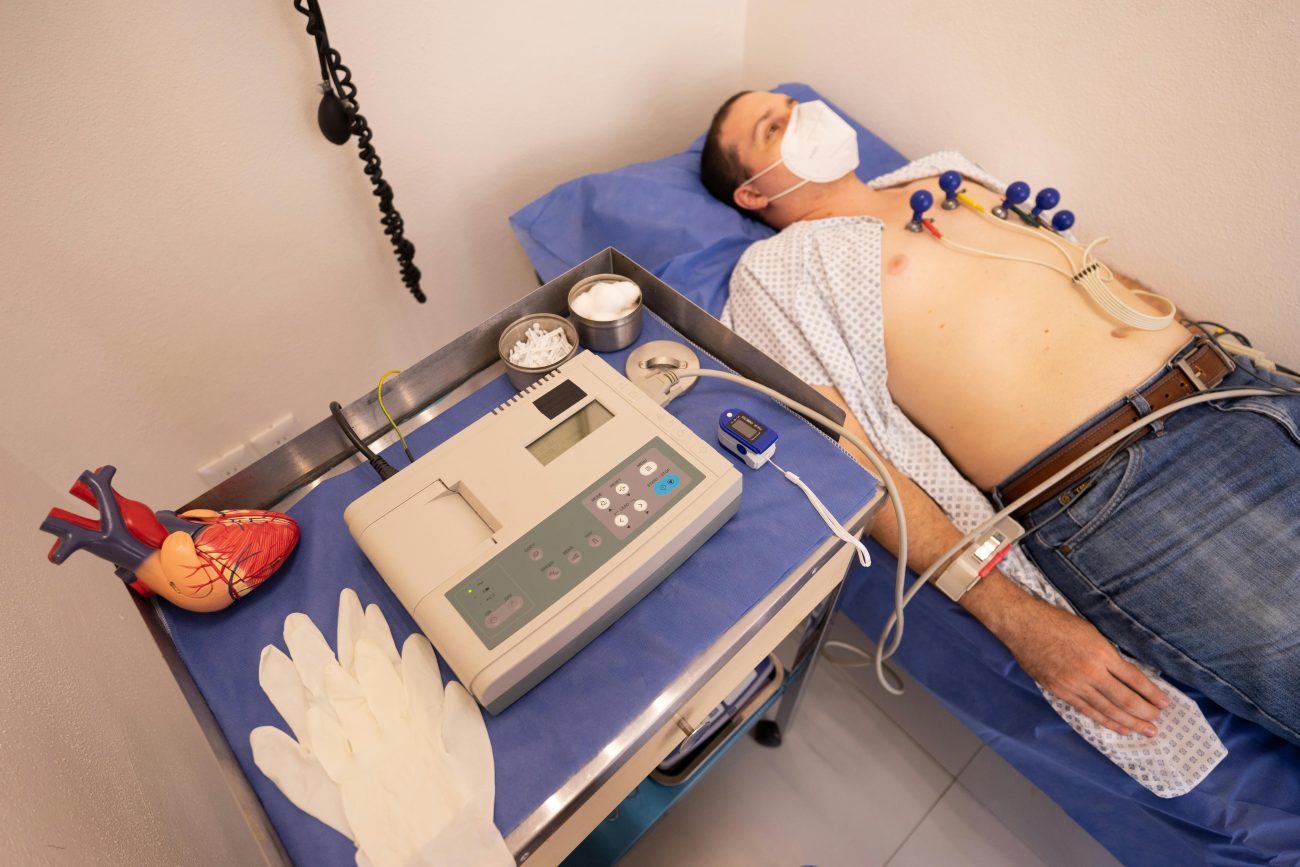
Anyone experiencing new, unexplained or persistent chest pain should consider getting evaluated. Even if the pain turns out to be non-cardiac, ruling out heart disease brings peace of mind. A doctor may perform an ECG, blood tests, chest X-ray or other assessments to determine the cause.
It is especially important to see a doctor if:
- chest pain recurs frequently
- symptoms improve temporarily but return
- pain is accompanied by breathlessness or fatigue
- symptoms wake you from sleep
- there are strong risk factors for heart disease
Early evaluation can prevent complications and help ensure timely treatment.
Final Thoughts
Chest pain is a symptom that deserves respect. While many causes are not life-threatening, some are — and the difficulty lies in telling them apart based on symptoms alone. Understanding the common patterns of heart-related versus non-heart-related chest pain empowers Malaysians to respond wisely instead of guessing.
Whether the cause is gastric, muscular, emotional or cardiac, listening to the body is the first step. When in doubt, err on the side of caution. Early medical attention can save a life, prevent long-term heart damage and offer clarity in situations where fear or uncertainty cloud judgment.
