
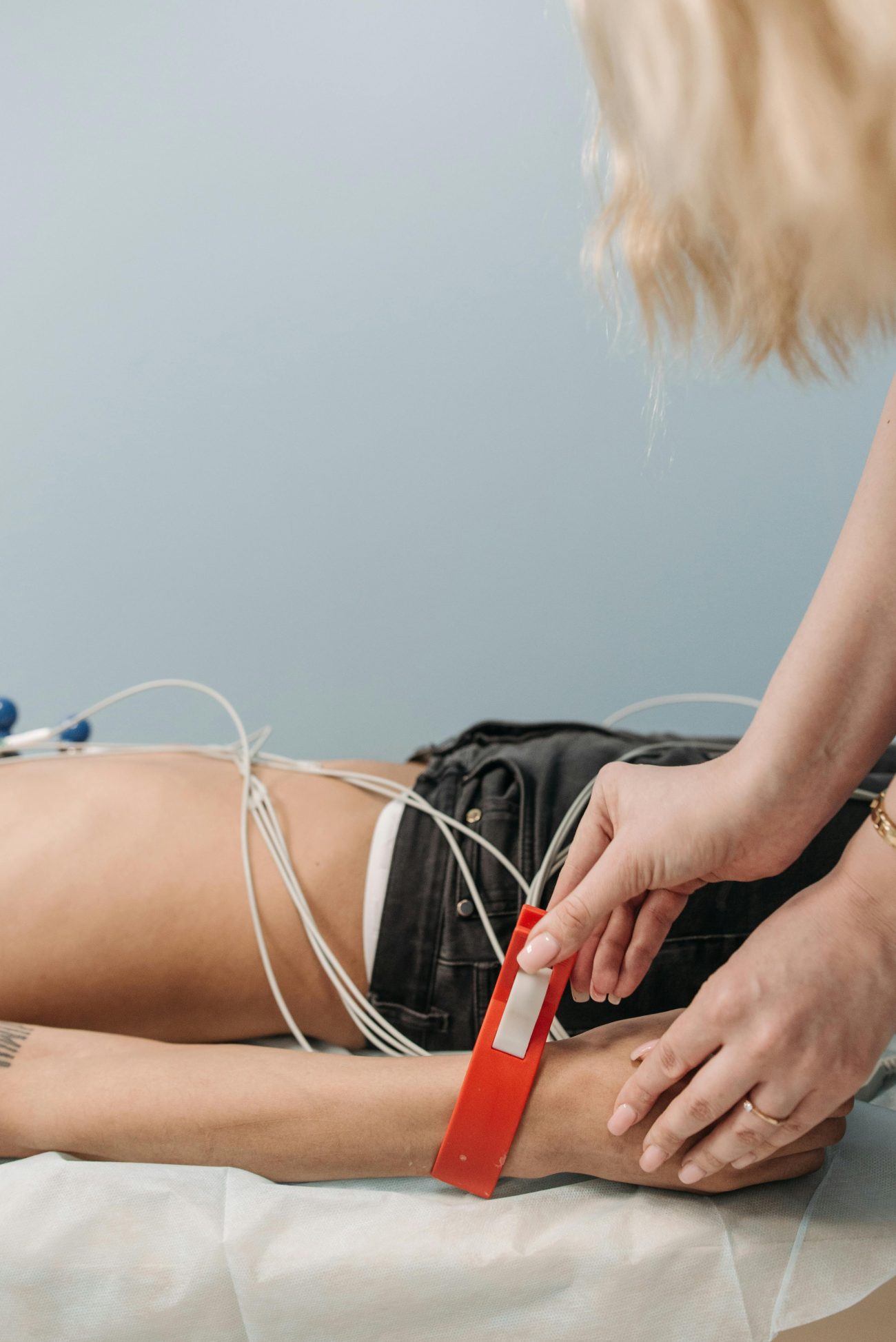
Heart disease remains one of the leading causes of death in Malaysia, yet many people still overlook or misunderstand the early symptoms of a heart attack. While heart attacks are often portrayed as sudden, dramatic events, the truth is that most begin with mild, subtle signs that develop hours, days or even weeks beforehand. These early warning signals may seem harmless at first, but they are often the body’s way of telling us that something is seriously wrong. Unfortunately, many Malaysians ignore these symptoms, attributing them to fatigue, indigestion, stress or aging.
A heart attack happens when blood flow to a part of the heart muscle is suddenly blocked. Without timely treatment, the affected part of the heart begins to suffer damage. Early detection and immediate medical attention can save lives, which is why recognising these warning signs is so crucial. Understanding the symptoms helps individuals take early action, seek prompt care and avoid long-term complications.
Chest Discomfort That Comes and Goes
Chest discomfort is the most classic sign of a heart attack, but it does not always feel like a sudden, crushing pain as commonly portrayed in movies. Instead, many people experience a sensation of pressure, tightness, heaviness or squeezing in the centre or left side of the chest. This discomfort may come and go, lasting a few minutes at a time or returning repeatedly. Some Malaysians mistake this feeling for gastric problems, indigestion or muscle strain, especially if the pain isn’t severe. However, any unusual or persistent chest sensation should be taken seriously.
Pain Radiating to the Arm, Neck, Jaw or Back
Heart-related pain doesn’t always stay in the chest. It can radiate to the left arm, shoulder, neck, jaw or even the upper back. Some people describe it as a dull ache, while others feel sharp, spreading pain. Women, in particular, may experience more subtle forms of radiating discomfort, sometimes mistaking it for muscle tension or dental problems. This type of pain is a key indicator that the issue may be cardiac rather than musculoskeletal.
Shortness of Breath Without Obvious Cause
Shortness of breath can occur before, during or even without chest pain. People often feel like they cannot take a deep breath or become fatigued after minimal activity. This happens because the heart is struggling to pump blood efficiently. In Malaysia’s humid climate, breathlessness is commonly overlooked, with people blaming the weather, lack of fitness or aging. However, unexplained shortness of breath—especially when accompanied by chest pressure—should never be ignored.
Unusual Fatigue or Weakness
One of the most overlooked symptoms of an upcoming heart attack is sudden, unexplained fatigue. People may feel drained even after resting or find that simple tasks like climbing stairs leave them unusually exhausted. Women are particularly likely to experience fatigue as a primary symptom. When fatigue appears without a clear reason and persists over several days, it may signal that the heart is under stress.
Nausea, Sweating or Light-Headedness
Symptoms like nausea, cold sweats or dizziness are often mistaken for flu, food poisoning or general weakness, especially in Malaysia where heat and humidity are common triggers for discomfort. However, these symptoms can reflect reduced blood flow to the brain or an overactive nervous system responding to cardiac stress. Feeling faint or breaking out into a cold sweat for no obvious reason is a red flag that requires prompt attention.
Stomach Pain and Indigestion-like Discomfort
Many Malaysians attribute upper abdominal discomfort to gastric issues, spicy foods or overeating. However, heart attacks sometimes present as mild or moderate stomach pain, burning sensations or indigestion-like symptoms. This is particularly true for older adults and people with diabetes. Misinterpreting this symptom as a stomach problem can lead to dangerous delays in seeking treatment.
Irregular Heartbeat or Palpitations
Some individuals notice fluttering, skipped beats or a racing heartbeat before a heart attack. While palpitations can occur due to anxiety or caffeine, they should not be ignored when accompanied by other symptoms like chest discomfort or shortness of breath. A persistently irregular heartbeat may signal an underlying heart rhythm problem that increases the risk of a heart attack.
Swelling in Legs, Ankles or Feet
When the heart struggles to pump blood efficiently, fluid can accumulate in the lower limbs. Swelling in the legs and ankles is sometimes a sign of heart failure or poor blood circulation. While swelling alone is not a classic heart attack symptom, it can be a warning sign of worsening heart function that requires evaluation.
Why Malaysians Often Ignore These Symptoms
There are several reasons heart attack signs go unnoticed or untreated:
- Many Malaysians believe they are “too young” to have heart disease.
- Symptoms such as indigestion or fatigue are easily mistaken for everyday issues.
- People often avoid seeking medical help to “wait and see if it gets better.”
- Cultural habits sometimes normalise pain tolerance or self-medication.
- Busy lifestyles lead people to dismiss symptoms until they become severe.
Unfortunately, delays in treatment can result in permanent heart damage or even loss of life.
When to Seek Medical Help
A heart attack is a medical emergency. Anyone experiencing chest discomfort—especially if it lasts longer than 5 minutes, spreads to other areas, or comes with shortness of breath—should seek immediate medical attention. Waiting for symptoms to “go away on their own” can be extremely dangerous. Early treatment can restore blood flow to the heart, minimise damage and significantly improve survival rates.
Individuals with risk factors such as diabetes, high blood pressure, high cholesterol, obesity or a strong family history of heart disease should be especially cautious. Even mild symptoms should not be dismissed in these groups.
Final Thoughts
Heart attacks rarely happen without warning. The body often sends signals, but these signs are subtle and easy to overlook. Recognising early symptoms and taking them seriously can save lives. Whether it’s persistent chest pressure, unexplained fatigue or radiating pain, every unusual symptom deserves attention. Being proactive and seeking early medical care can prevent major complications and protect long-term heart health.
Awareness is the first step toward prevention. Understanding how heart attacks manifest—and how differently symptoms may appear for men and women—empowers Malaysians to act quickly when it matters most.
